


At Acme, sustainability starts long before a cup reaches a table. It begins with how we design, who we work with, and the standards we hold ourselves to when making things that are meant to last.
Acme Beyond the cup


We design slowly and with intention, never chasing trends or quick fixes. Instead, we focus on making tableware that works harder, not multiplies.
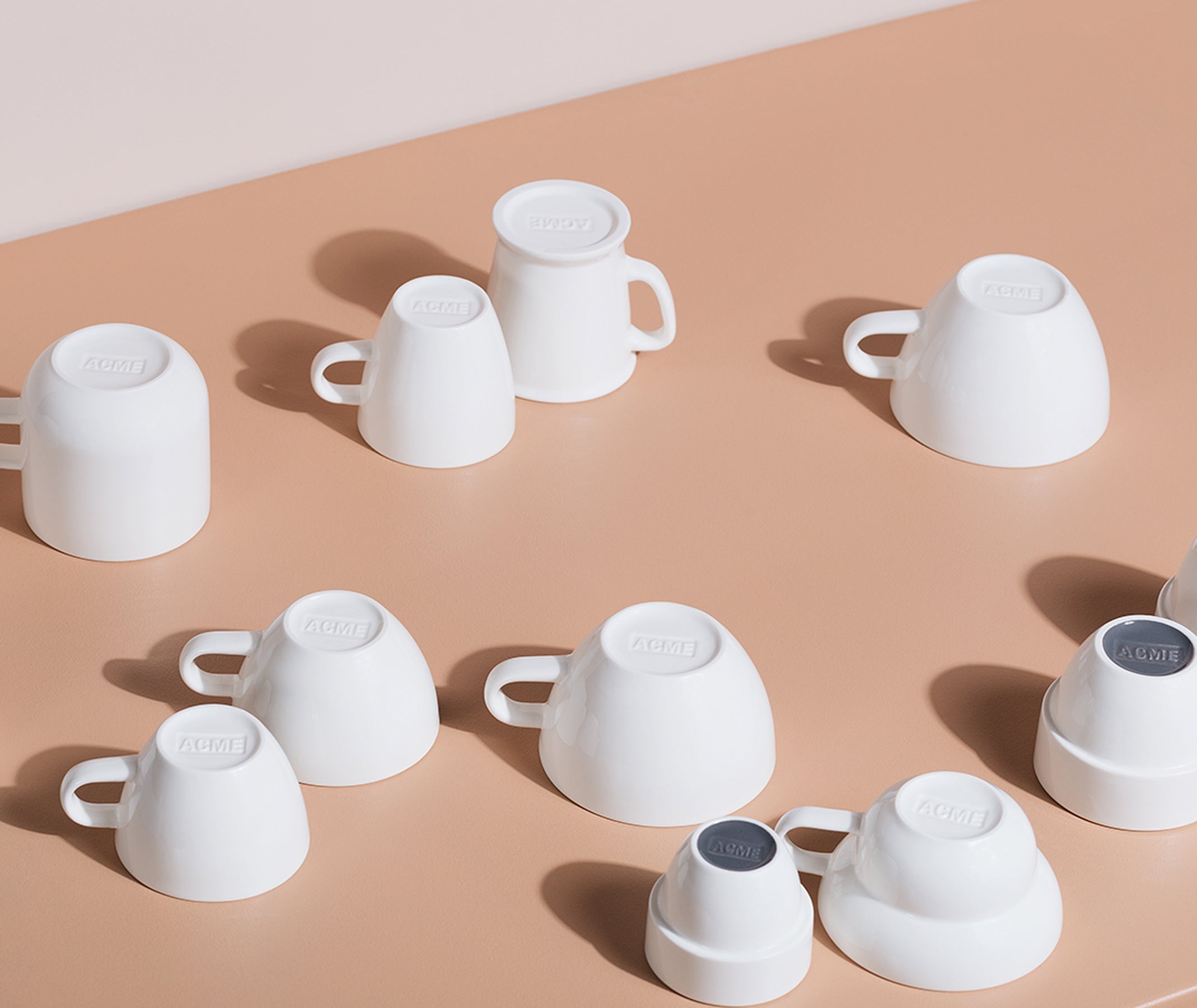
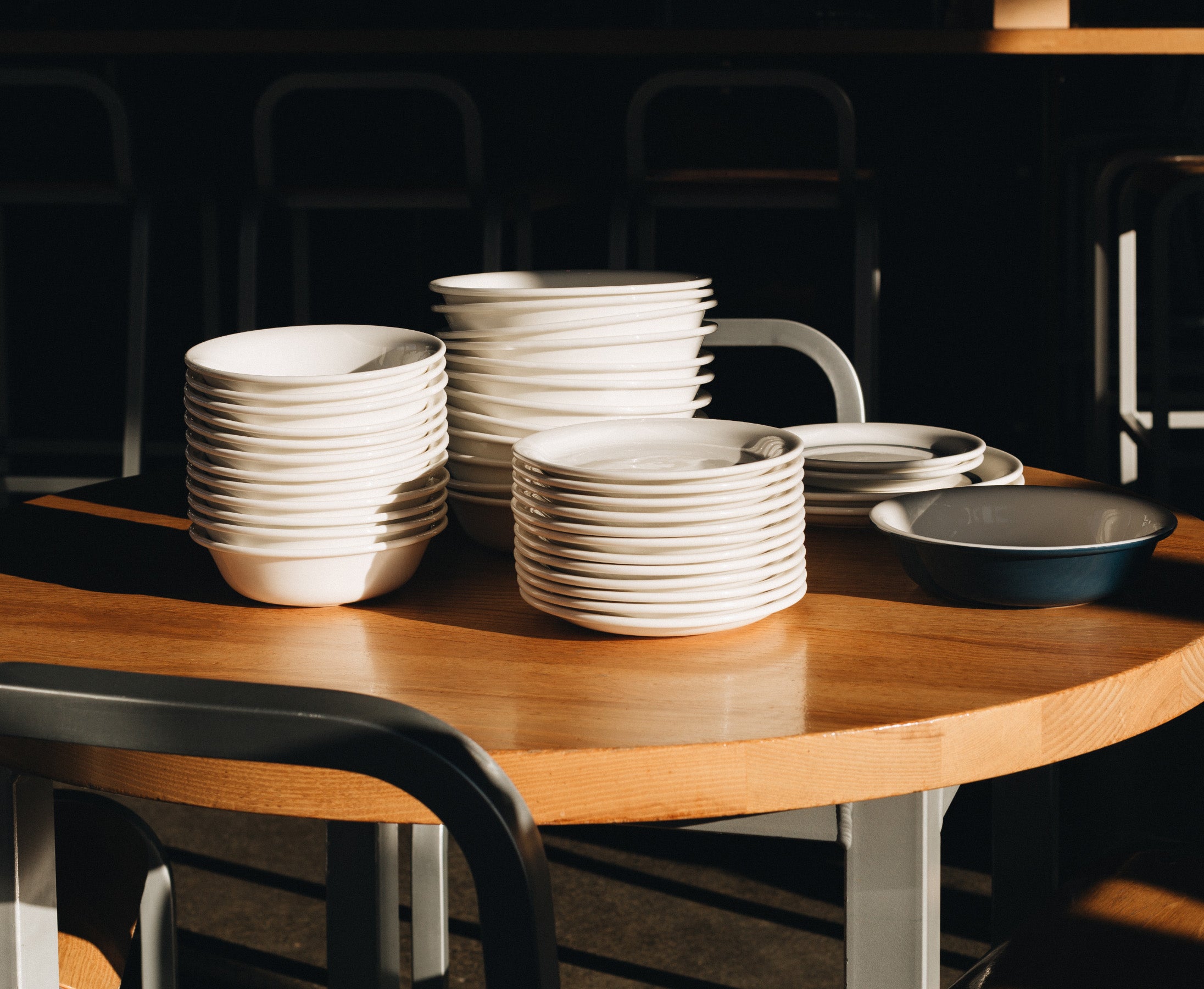
That thinking shows up in the details. Our saucers are deliberately versatile, designed to fit multiple cup sizes. Fewer SKUs, less duplication, less clutter. It means less to buy, less space taken up on busy café benches or crowded kitchen shelves, and more flexibility for the people using them every day. A small design decision, with a surprisingly big ripple effect.
Taking our time allows for proper testing, tweaking, and refinement. And we choose partners who are just as picky as we are, because getting it right matters more than getting it fast.

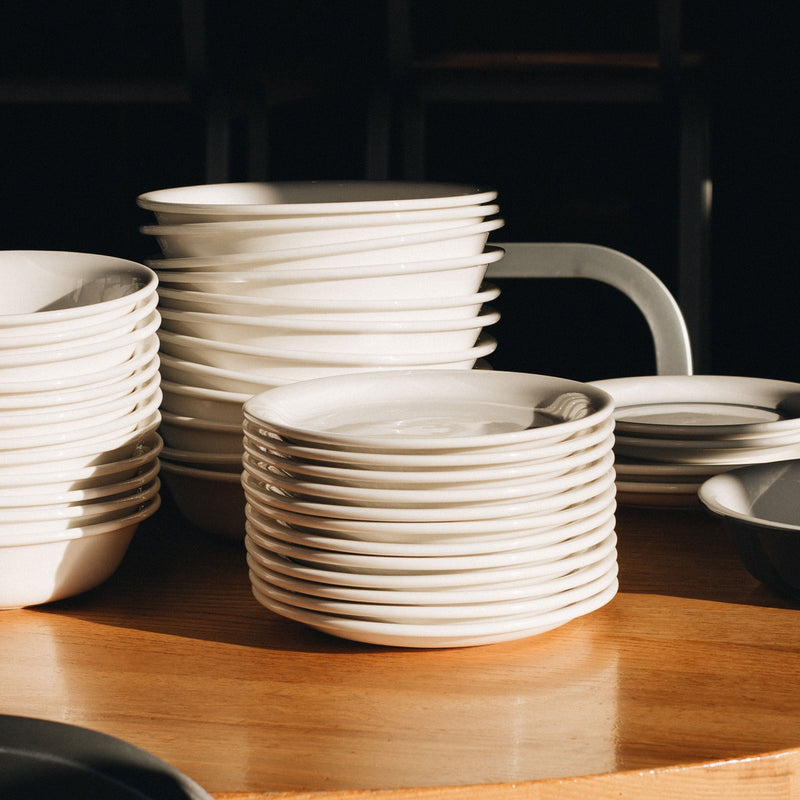
Our makers in Japan and China bring generations of porcelain know-how to the table. This is craftsmanship that doesn’t chase trends, doesn’t settle for “close enough,” and doesn’t tap out after a few knocks in a busy café or kitchen.
We work with a range of manufacturing partners, from large-scale production facilities to smaller specialist makers. Our approach to supplier oversight varies depending on the nature of the relationship, but includes a combination of recognised certifications and independent audits such as ISO 14001, BEPI, SMETA, and BSCI, alongside ongoing review and direct engagement.
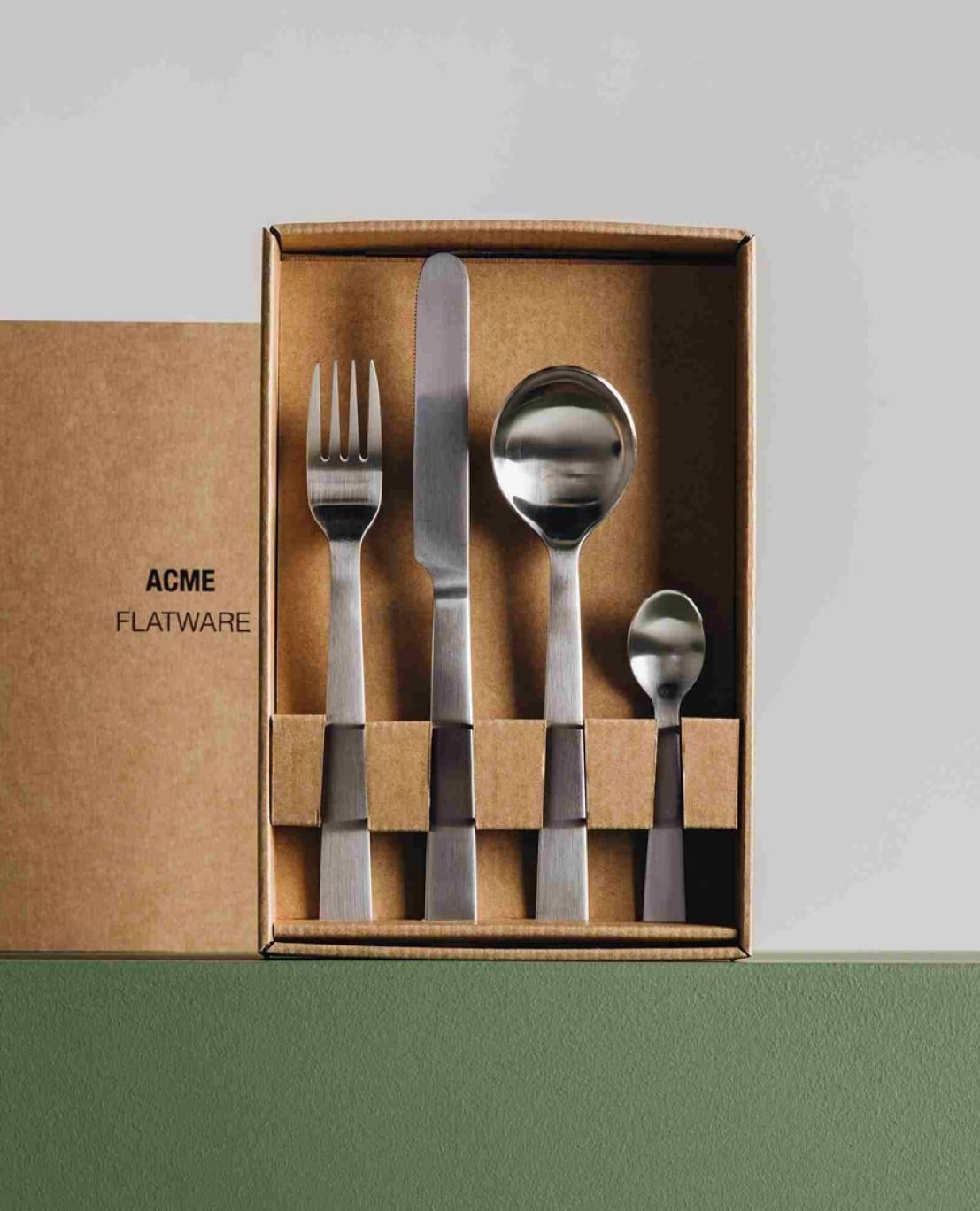
Many of our manufacturing partners consistently meet or exceed requirements in those audits, and all of our major manufacturing facilities use solar power, with some generating close to 100% of their own electricity. Our cutlery manufacturer has also achieved A and B ratings in the BEPI audit, recognising strong environmental performance across emissions, waste, and resource use. Beyond manufacturing, we seek fulfilment, logistics, and freight partners that share our commitment to sustainability and continuous improvement.

For our European partners, our Netherlands warehouse stood out for its 2,000 square metres of rooftop solar panels and triple glazing throughout the building—thoughtful infrastructure choices that quietly reduce impact.
We’re also proud to be an accredited Living Wage employer and to use plastic-free packaging. These measures aren’t box-ticking exercises. They’re about accountability, continual improvement, and making sure responsibility runs through the entire supply chain.

Working with natural materials like porcelain means accepting imperfection. Ceramics are beautifully imperfect by nature, and in a world obsessed with flawlessness, chasing “perfect” often creates more waste.
Over the years, we’ve made cups that didn’t quite meet our visual standards. Minor blemishes. Slight variations. Still completely functional. Instead of discarding them, we asked a better question: What if these cups still had work to do?
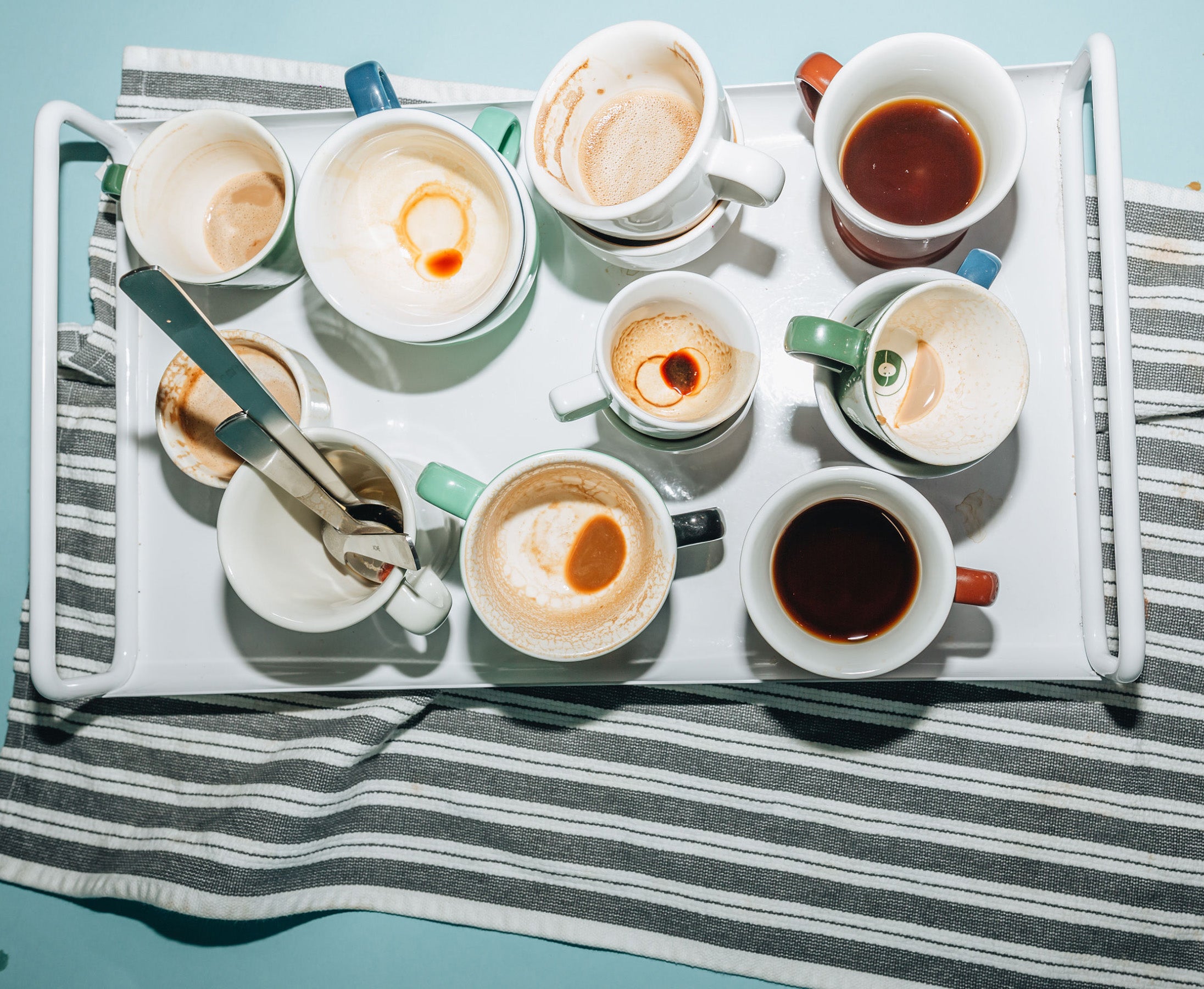
Since 2019, we’ve been supplying our Acme B Range cups to coffee festivals across Europe and Aotearoa to help reduce single-use waste. These cups are borrowed, returned, washed, and reused, again and again (and again).

One standout example is Nordic Coffee Fest, where we’ve proudly been the official sustainability partner for the two years the event has been running. At this festival alone, our B Range cups will prevent around 4,000 single-use cups from becoming waste. Across our ongoing partnerships with the Danish Coffee Festival, NZ Specialty Coffee Association, and The Barista League, those “imperfect” cups have found a meaningful second life.
What started as a workaround has become a practical solution for people and for the planet.

This year, we’re also investing beyond our products. We’ve purchased 500 native trees, which will remove approximately 21,700kg of CO₂ from the atmosphere over the next 50 years. That’s equivalent to one full year of CO₂ emissions from our container shipments into New Zealand and Europe.
It’s not a silver bullet, but it’s a meaningful step and is one part of a wider commitment to understanding our impact and taking responsibility for it.

For us, sustainability isn’t about perfection; it’s about intention. Slowing things down. Making better choices, again and again. Designing waste out where we can, building long-term relationships with people we trust, and making things properly so they’re part of everyday rituals for years to come.
We believe the most sustainable piece is the one you never need to replace. That’s why we design tableware to last — objects that collect memories and quietly earn their place at the table.